What Quick Match throws at you

Four PvP modes. One Versus AI option. Eight maps. Every combination plays differently, and Quick Match puts you in all of them.

Quick Match - how mode variety works

When you queue for a Quick Match, you don't choose the mode. The game assigns it. That's intentional.

HEAT is built around four PvP modes that demand different approaches: zone discipline, kill-chasing instincts, split-squad coordination, long-hold patience. No single playstyle dominates across all of them. The queue rotation means you need to be ready to shift, not just to show up.

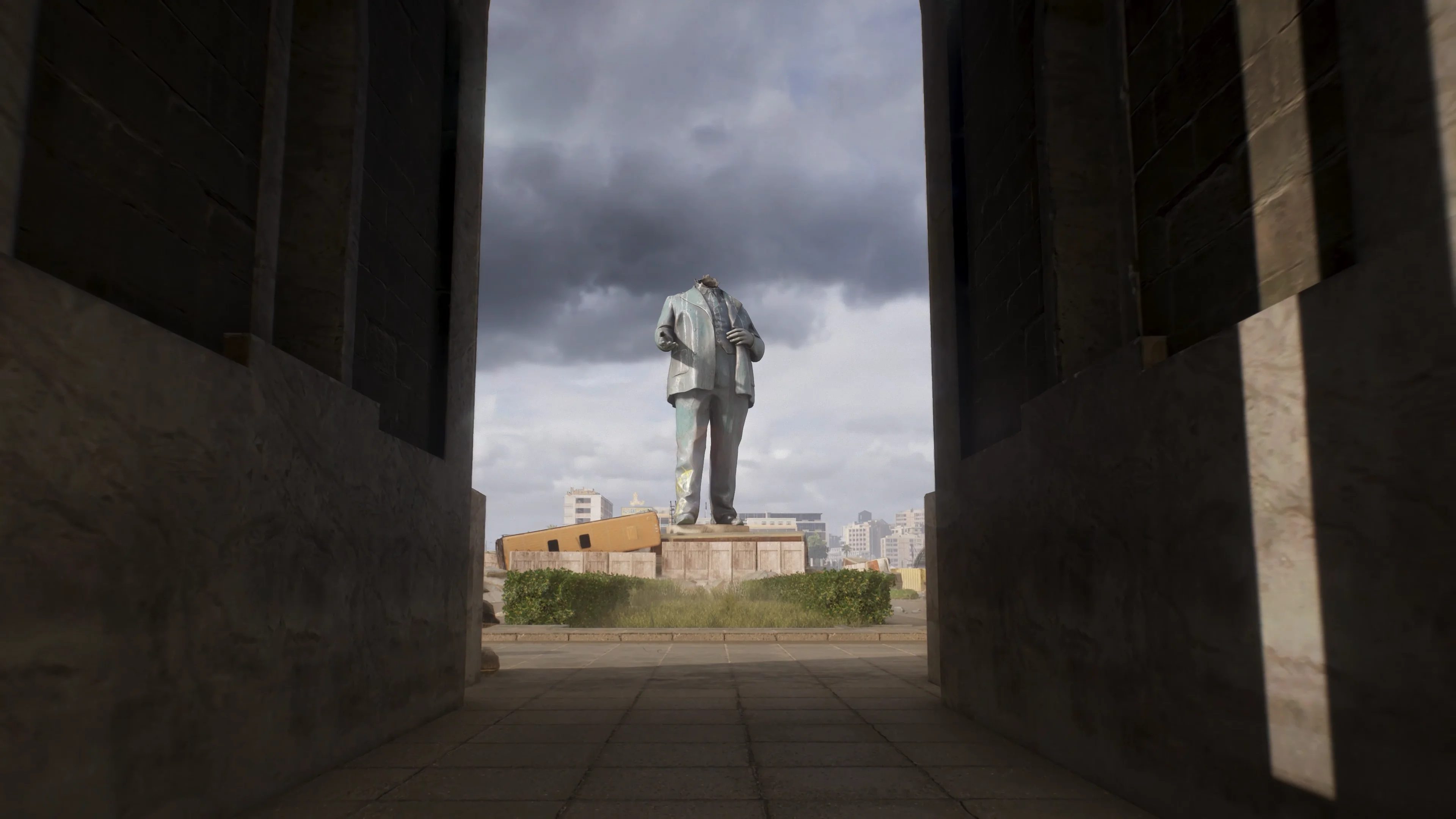
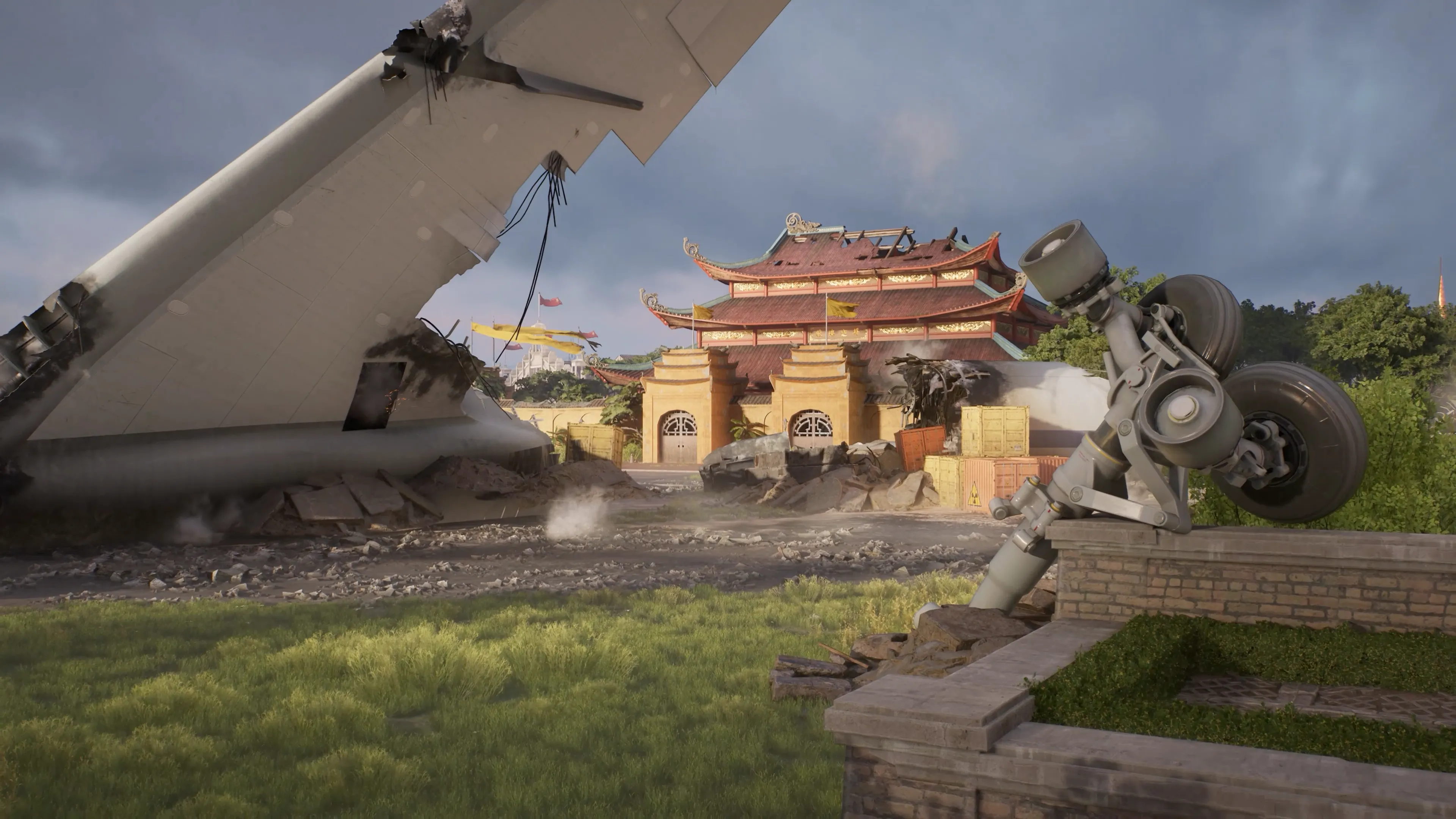
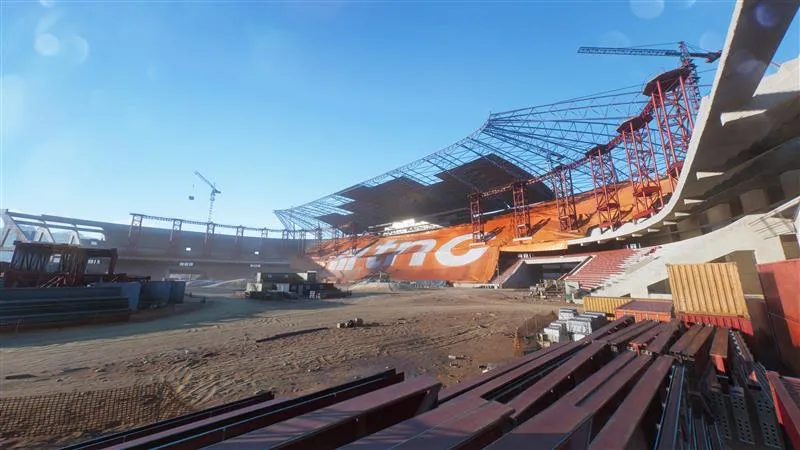
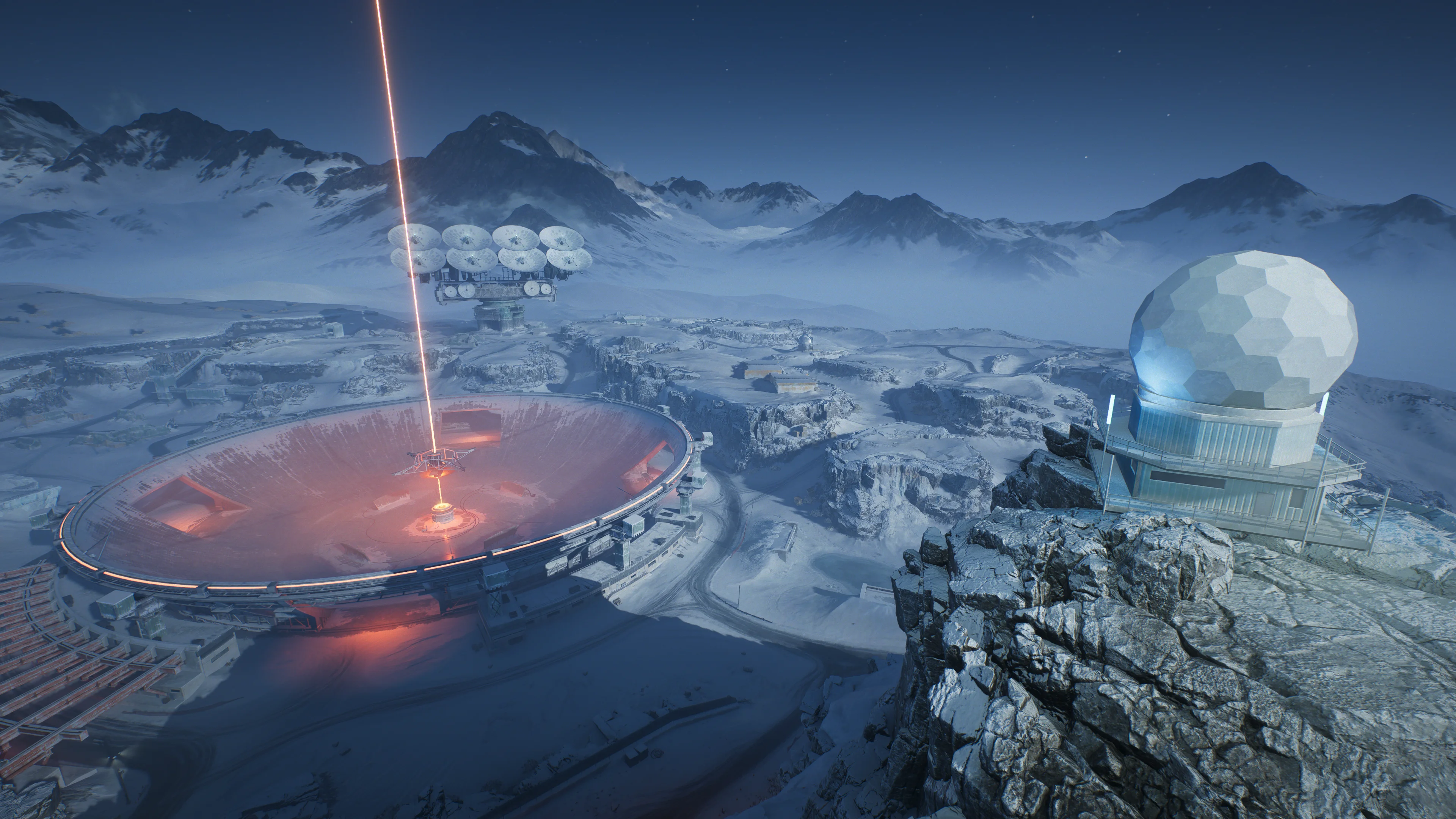
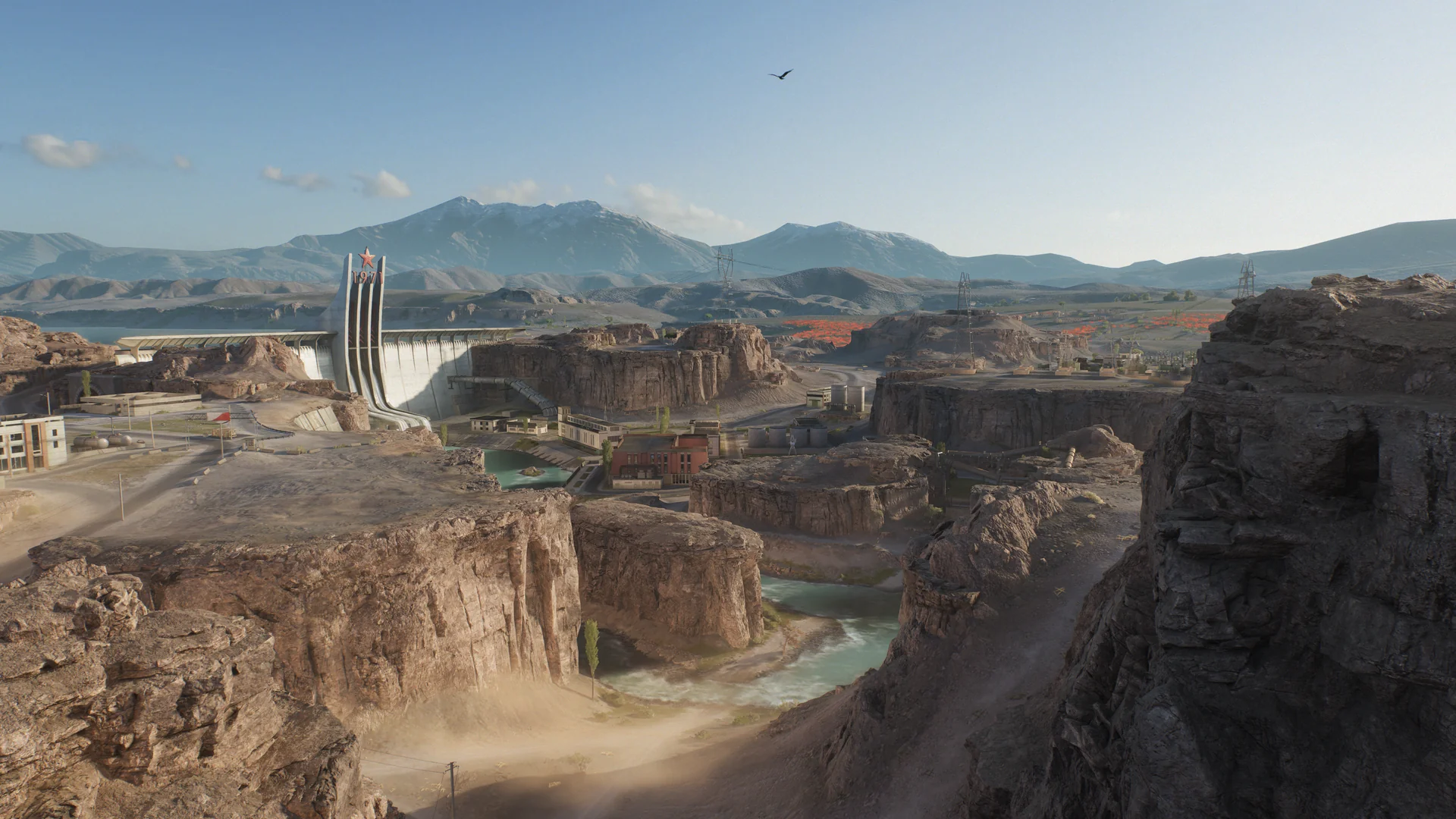
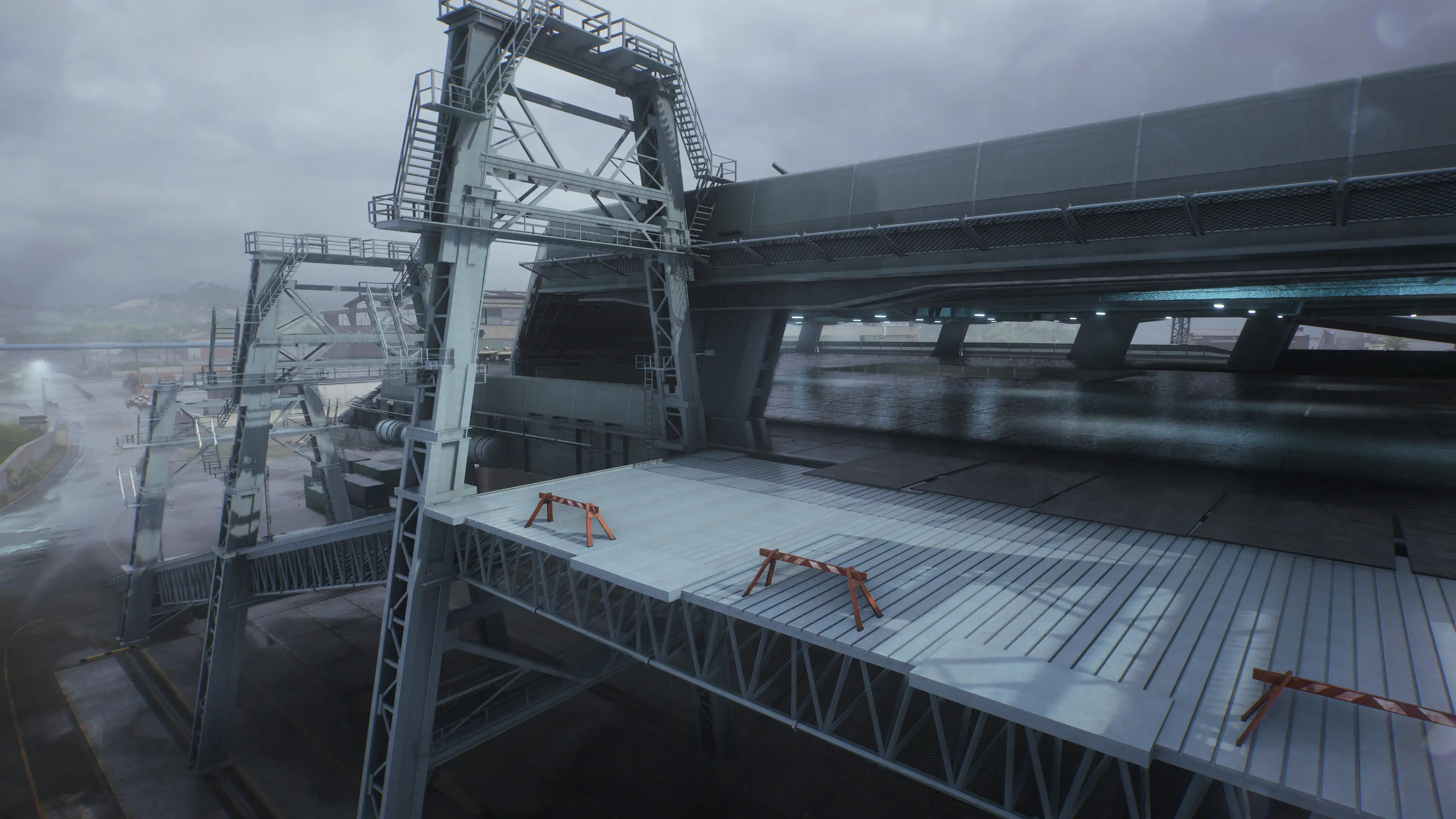
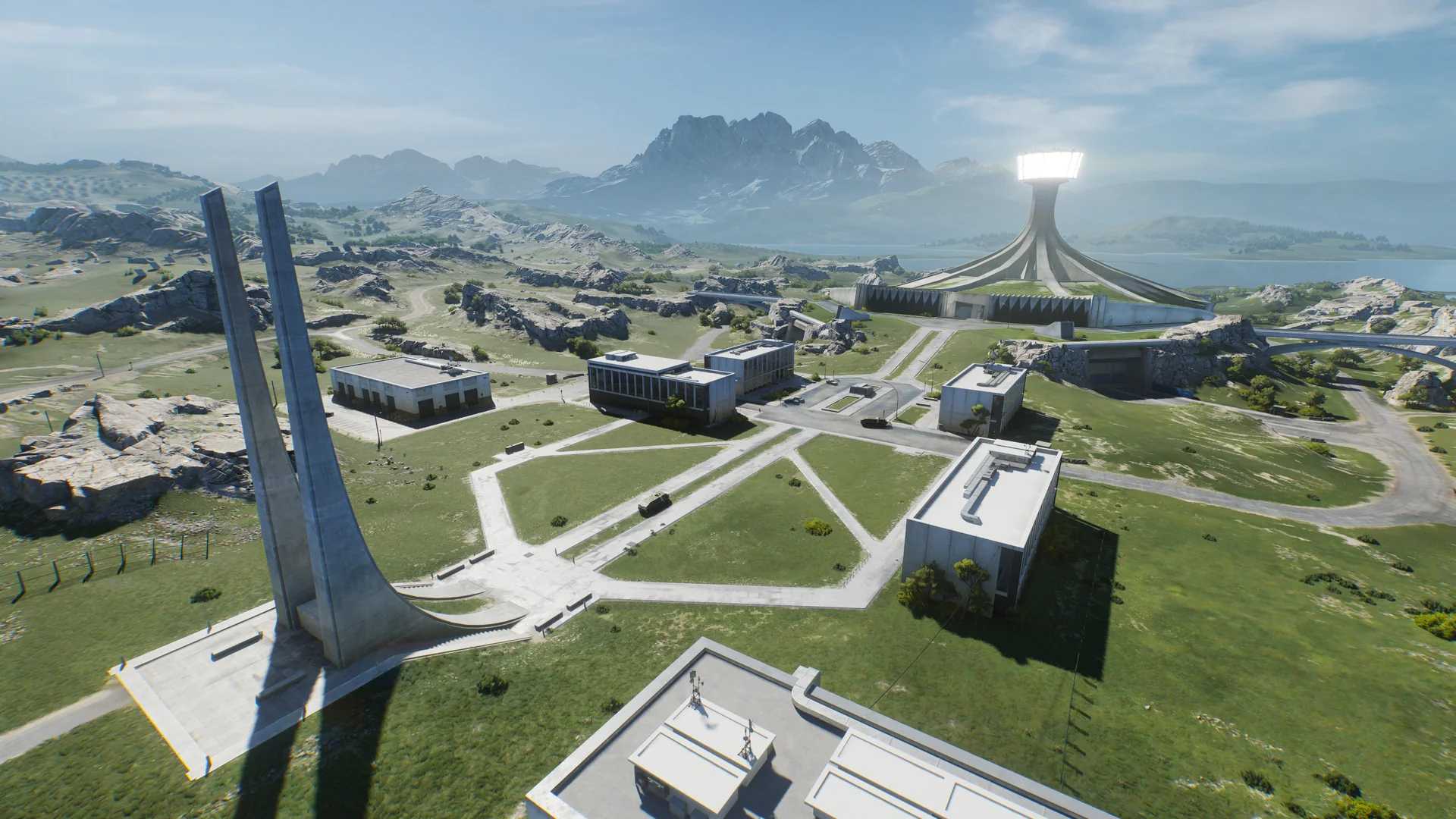
All four modes run across 8 maps: Scarred City, Blossom Crash, Sunstroke, Nord Oko, Nexus Dam, Aircraft Carrier, Project Phoenix, and Moonshot. Most maps support multiple modes, so you'll see familiar ground from new angles. The variety doesn't stop at the mode list.

This article goes past the basic rules. Here's what each mode actually feels like, as well as what you need to understand to compete in it.
Four modes. One queue.

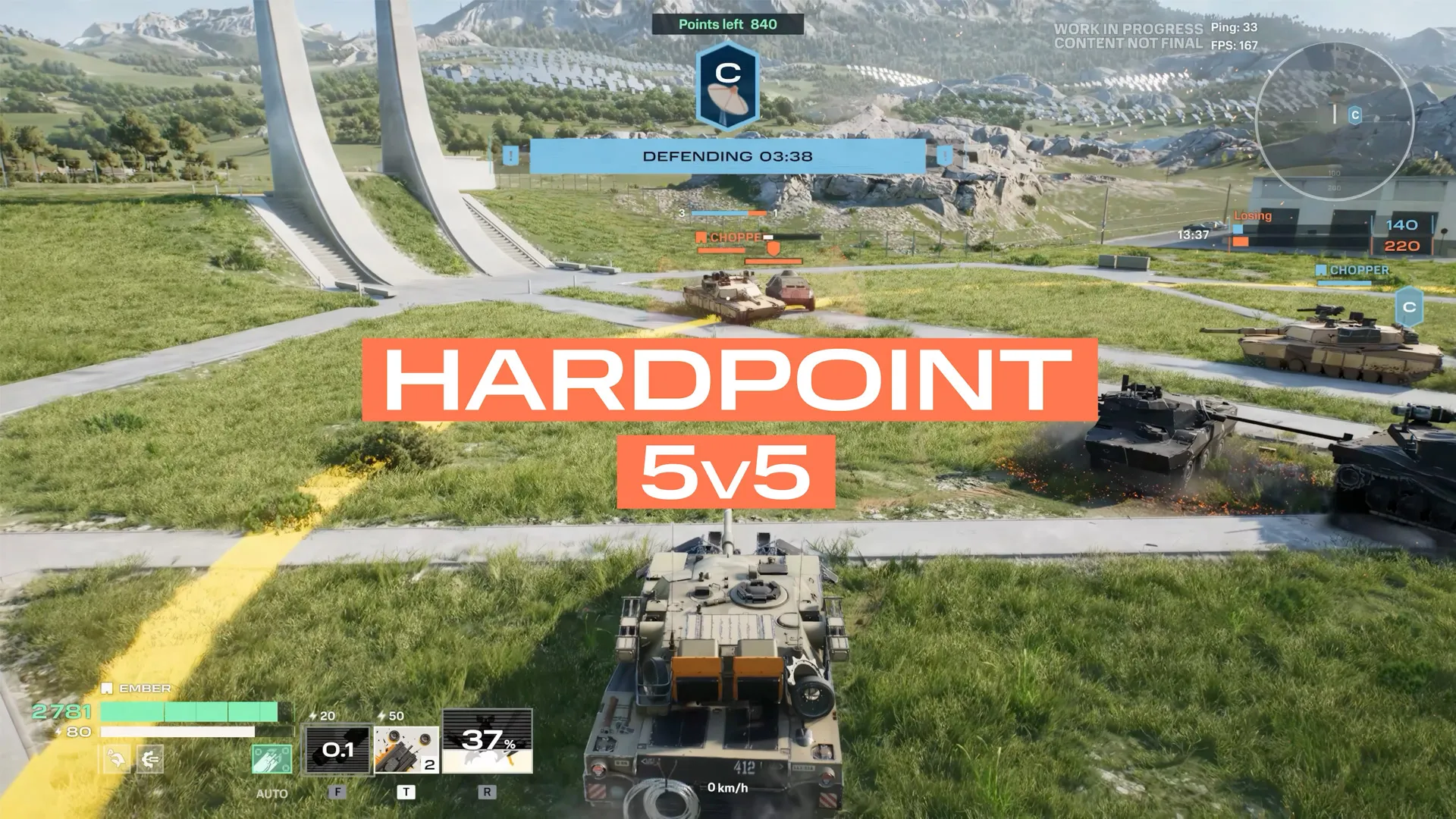
Hardpoint gameplay screenshot

Hardpoint

5v5. One active base. First team to 2,000 points wins. The base rotates — so does the fight.

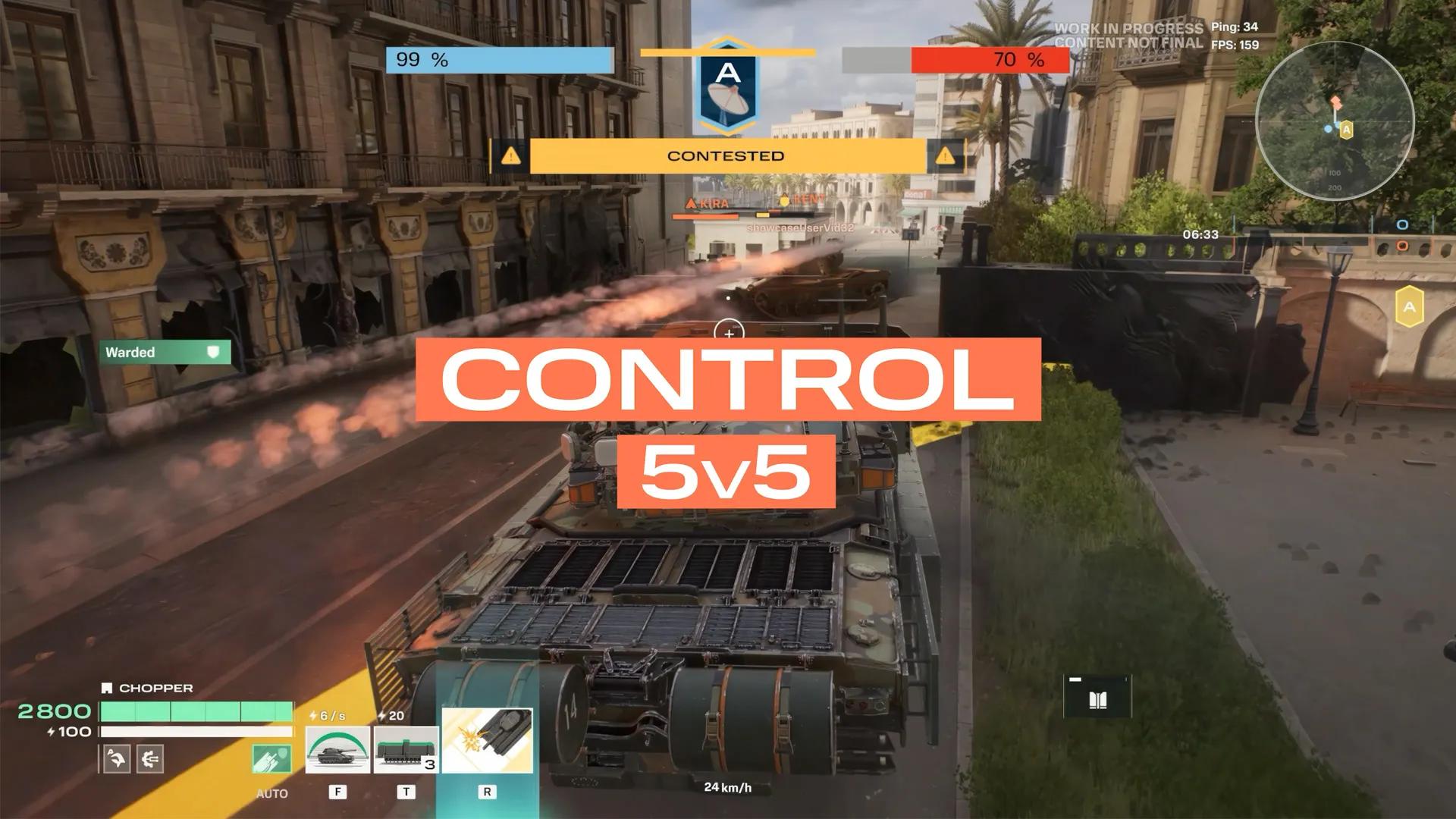
Control gameplay screenshot

Control

5v5. One zone. Best-of-three rounds. Capture and hold it — or take it back before time runs out.

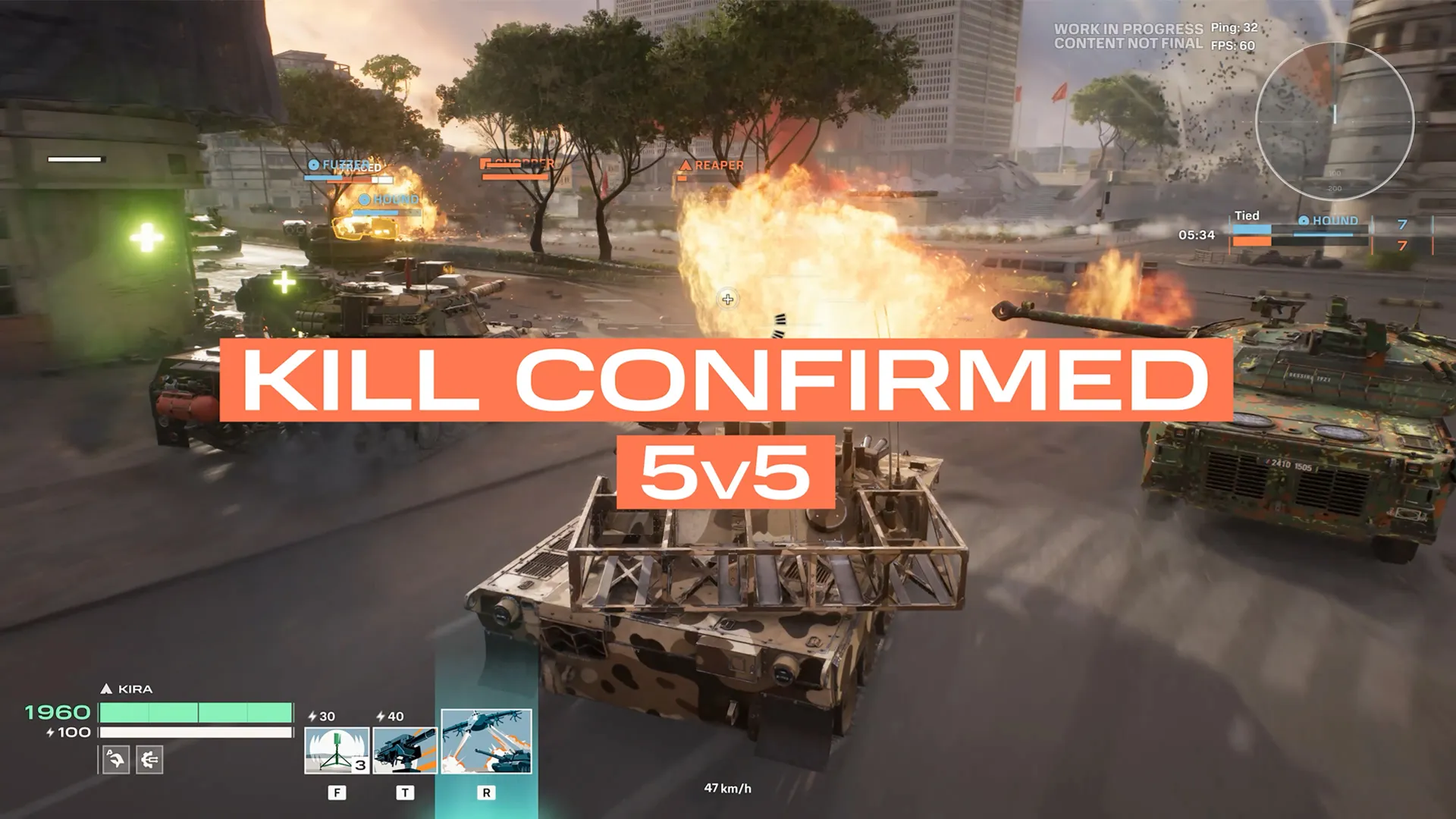
Kill Confirmed gameplay screenshot

Kill Confirmed

5v5. Destroying a tank drops a token. The kill only scores if you collect it. The fight doesn't end when the hull goes dark.

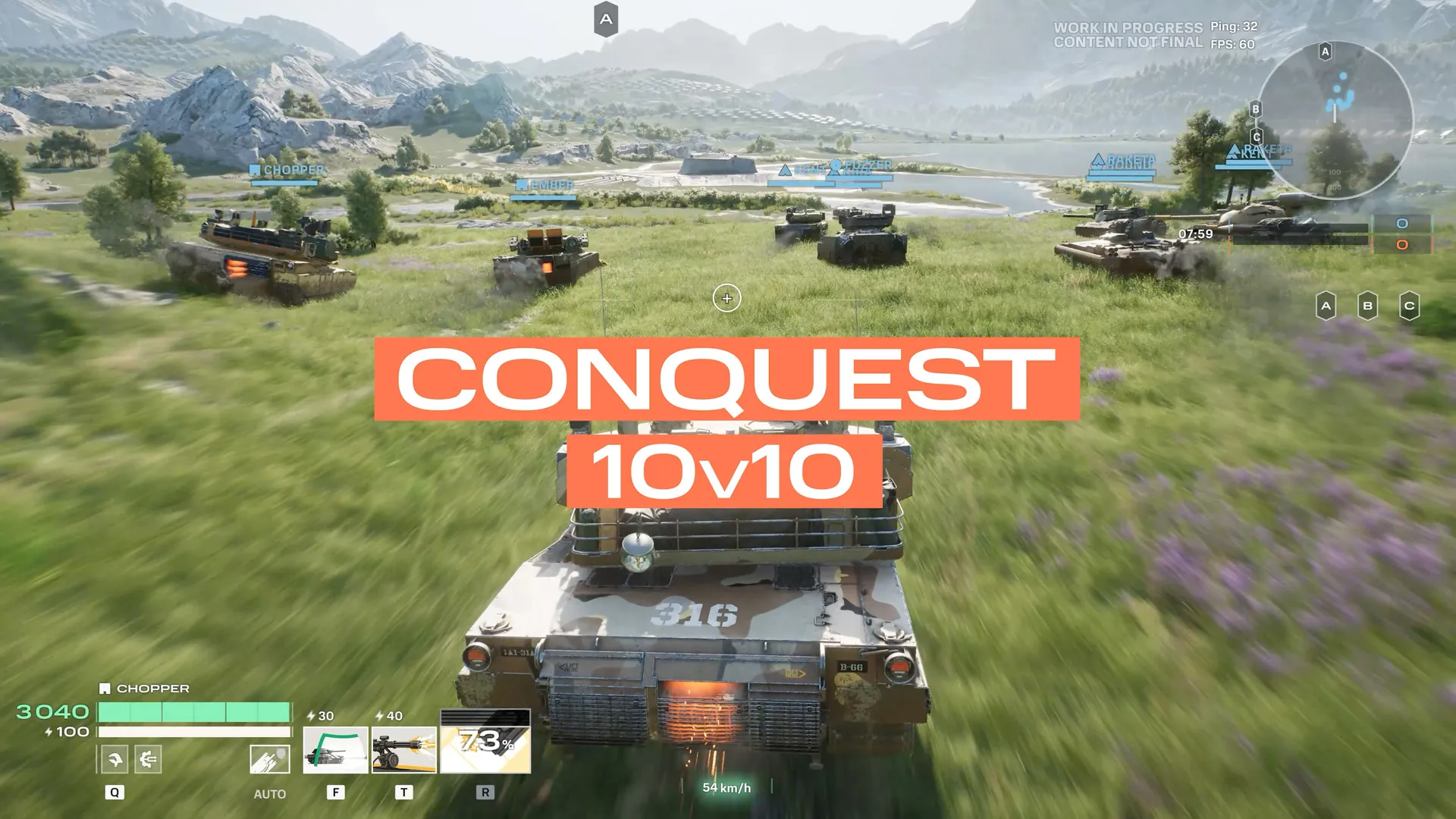
Conquest gameplay screenshot

Conquest

10v10. Multiple bases active simultaneously. Coordinate across the entire map or cede zones while you're busy fighting locally.

Hardpoint

Hardpoint runs one active capture point at a time, but that point rotates. As one zone's scoring window closes, the fight migrates. Both teams know where it's going. The question is who gets there first and who can hold it.

Holding the active zone is what wins Hardpoint. A bombing alert warns players before the current base is turned off, but the zone can still score points right up until bombing begins, even after the next base is announced. Giving up the active zone before it stops scoring will cost you points you could still be banking. Staying too long after it closes will cost you position.

What separates good Hardpoint teams from bad ones is timing, not raw firepower. You will control the scoreboard if you read the rotation early, hold the active zone up until the last moment, move decisively to the next point, and contest it immediately. Remember: while fast rotations matter, the goal of those rotations is to hold, not to stay in motion. Falling behind on transitions is hard to recover from.

If your squad can read the map and move as one unit, Hardpoint rewards you for it.

Control

Control compresses the entire game into one zone and three rounds. There's no base rotation. One zone, both teams, everything on the line for that position.

Each round plays as a full contest: capture the zone and hold it until the round ends, or fight to take it back before time runs out. Win two rounds and the match is yours. If neither team closes it out before time expires, the round goes to Overtime. Overtime also activates when the capture bar reaches 99% while an opponent is contesting the zone. The round extends until all contesting opponents are eliminated or the zone flips to the opposing team.

The best-of-three structure creates a different kind of pressure than a running score. The zone is never elsewhere in a given round, and your position is all that counts. Flanking plays a significant role here. Without a secondary objective to draw attention, teams that find angles and create pressure from unexpected directions can break holds that otherwise look solid. Individual tank duels carry real weight.

Composure across rounds is what Control tests above everything. An aggressive team can take an early lead (win round one and the psychological weight shifts), but a team that stays organized and methodical over three rounds will close it out. Teams that panic-push after losing a round and overextend hand the match back.

You will get destroyed, but the mode has respawns. Getting back into position quickly and with intention is just as important as how you fight while you're alive.

Control rewards patience and composed execution over a full three rounds. It's the most mentally demanding mode in HEAT, and the longest.

Kill Confirmed

The rules of Kill Confirmed change one thing about a standard deathmatch: the kill only scores if you collect the token the destroyed tank drops. Leave the token on the ground and the enemy can pick it up. Destroying a tank and scoring a point are two separate acts.

This one shift completely changes how tanks behave. Aggressive players who chase and kill will find themselves exposed at the token pickup. After destroying a tank, you have to move to where it fell and collect the token, which leaves you vulnerable to the enemy team still in the fight. You can destroy four tanks in a row and score zero points if your squad never collects.

On the defensive side, contesting tokens is a real strategy. Teams that fight near their own drops, using wreckage as cover, denying pickups, and forcing the enemy to overextend, can keep the score close even when they're losing tank-for-tank. Passive play in a deathmatch normally loses. In Kill Confirmed, defensive positioning around token drops is a genuine advantage.

The first team to 25 points wins, but there's also a time limit. Matches end faster if one team is more efficient and well-organized. They drag if both teams fight over every token. With the time limit, neither side can simply run out the clock indefinitely.

Kill Confirmed rewards players who stay aggressive after the kill and who read the token economy. Raw fragging without collection discipline will cost you.

Conquest

Conquest is a different game from the three 5v5 modes. The player count doubles, the map opens up, and multiple capture zones activate simultaneously. It's the most mobile zone mode in HEAT: the multi-zone format means the action never settles in one place. Coordination across the entire map becomes the core skill, and the gaps in communication show immediately.

Multiple zones mean every squad action has consequences beyond your immediate position. Pushing hard on one flank can win you a point while losing two others. Over-stacking on a contested zone lets the enemy easily score elsewhere. The team that reads the full map, not just their local fight, controls the tempo.

The 10v10 format also changes the impact from individual Agents. Aggressive flankers can create asymmetries the enemy can't respond to if the rest of the squad is coordinating well. Agents with strong zone-control tools find more surfaces to apply pressure across a wider battlefield.

Conquest isn't just a bigger Hardpoint. The multi-zone pressure, the larger squad, and the wider engagements produce a game mode with its own distinct pace and decision space. It's where well-coordinated squads find the most room to dominate (and where disorganized teams fall apart fastest).

Conquest is HEAT at its largest scale. Communication and map awareness matter more here than in any other mode.

Versus AI

Versus AI uses the same structure as Quick Match, same random mode assignment, same 8 maps, but instead of human opponents, you're fighting bots. All four PvP modes are represented. You'll play Hardpoint, Control, Kill Confirmed, and Conquest against AI-controlled tanks.

Squad grouping is available in Versus AI. Bring your squad, coordinate as a unit, and work through the modes together.

Versus AI isn't a practice mode in the dismissive sense. It's a legitimate way to learn how specific maps play in specific modes, understand zone geometries, work on rotations, and build familiarity with a new Agent without the full competitive pressure of a live PvP match. For new players, it removes one variable (the opponent) while keeping everything else real.

Versus AI is available from day one of the Closed Beta Test.

Each of the four PvP modes tests a different set of skills: zone timing in Hardpoint, round-over-round composure in Control, token discipline in Kill Confirmed, and full-map coordination in Conquest. Versus AI lets you practice all four against bots before entering PvP.

Quick Match assigns the mode randomly, so you will encounter all of them. The players who perform well across the board are the ones who understand what each mode requires and adjust accordingly.

That's the full breakdown. The rest is practice.

Frequently asked questions

How many players are in each mode?
Hardpoint, Control, and Kill Confirmed are 5v5. Conquest is 10v10. All modes include respawns — you stay in the match after your tank is destroyed.
Are all game modes available during Closed Beta Test?
Yes. All four PvP modes — Hardpoint, Control, Kill Confirmed, and Conquest — are available from day one of the Closed Beta Test. Versus AI is also available from launch.
Can I play Versus AI with friends?
Yes. Squad grouping is available in Versus AI. You can bring your squad in and work through the modes together against AI opponents.