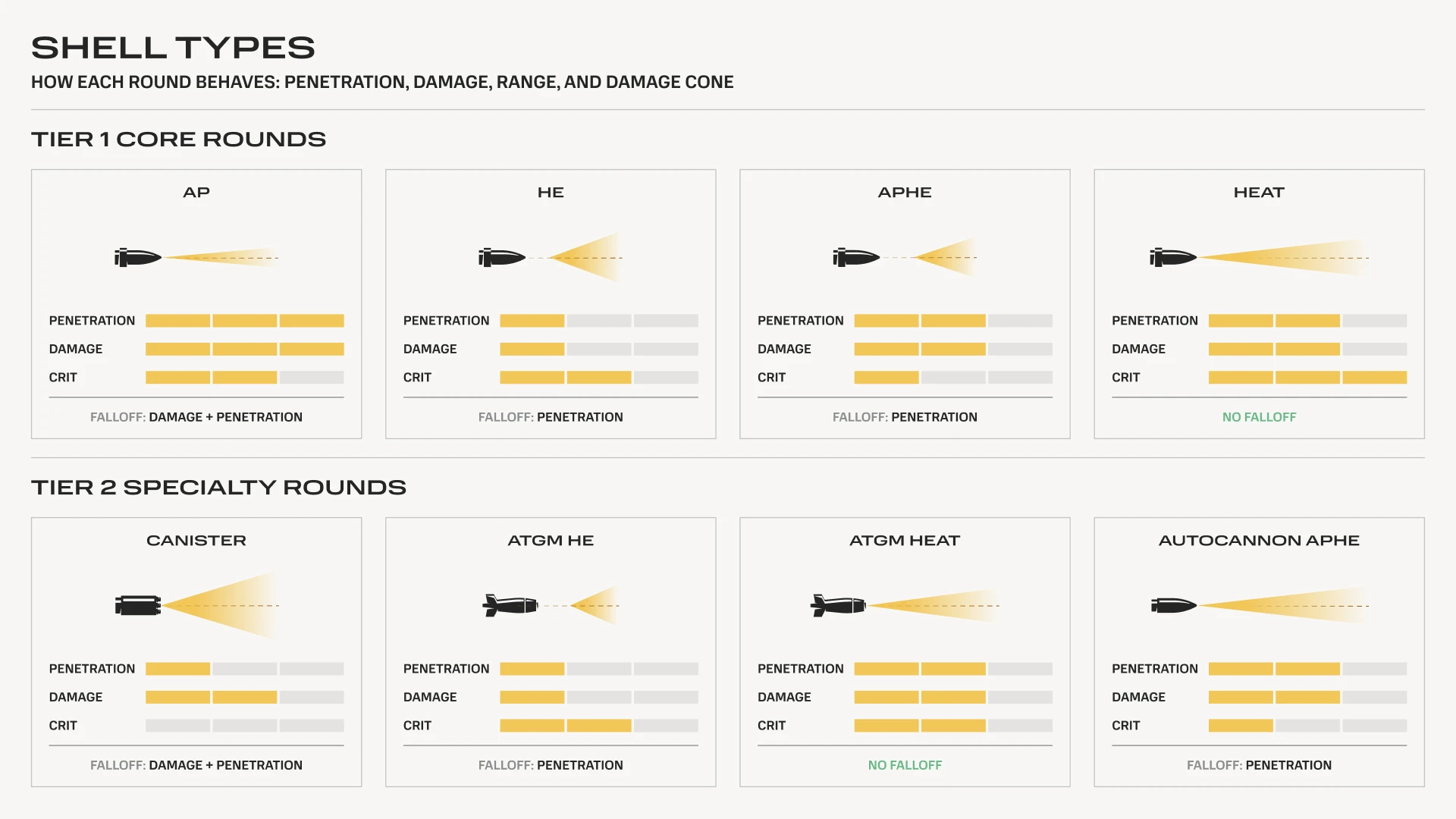
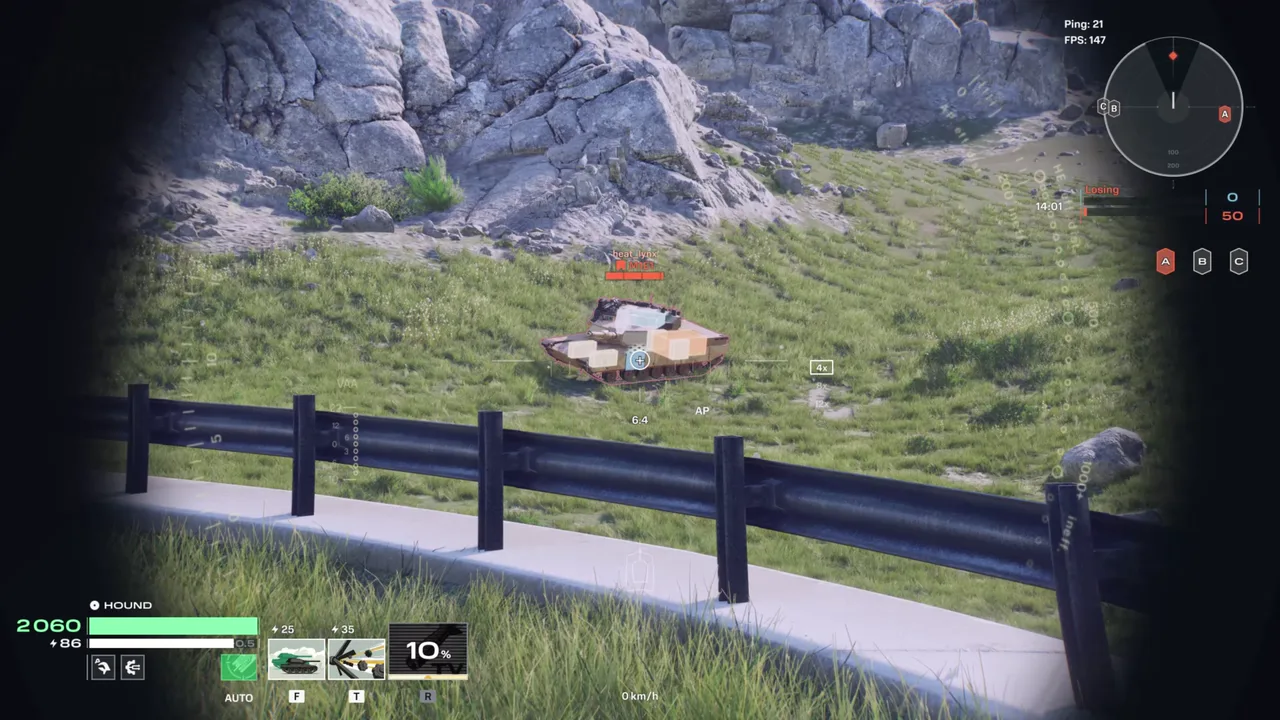
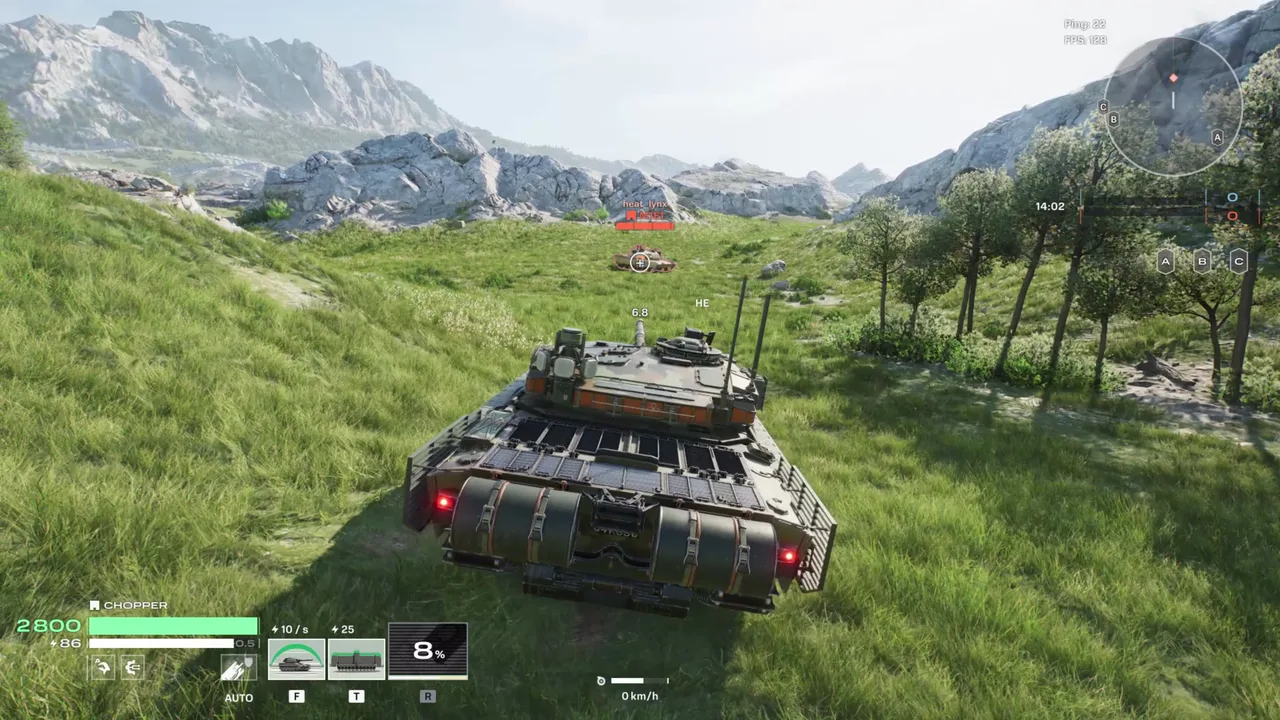
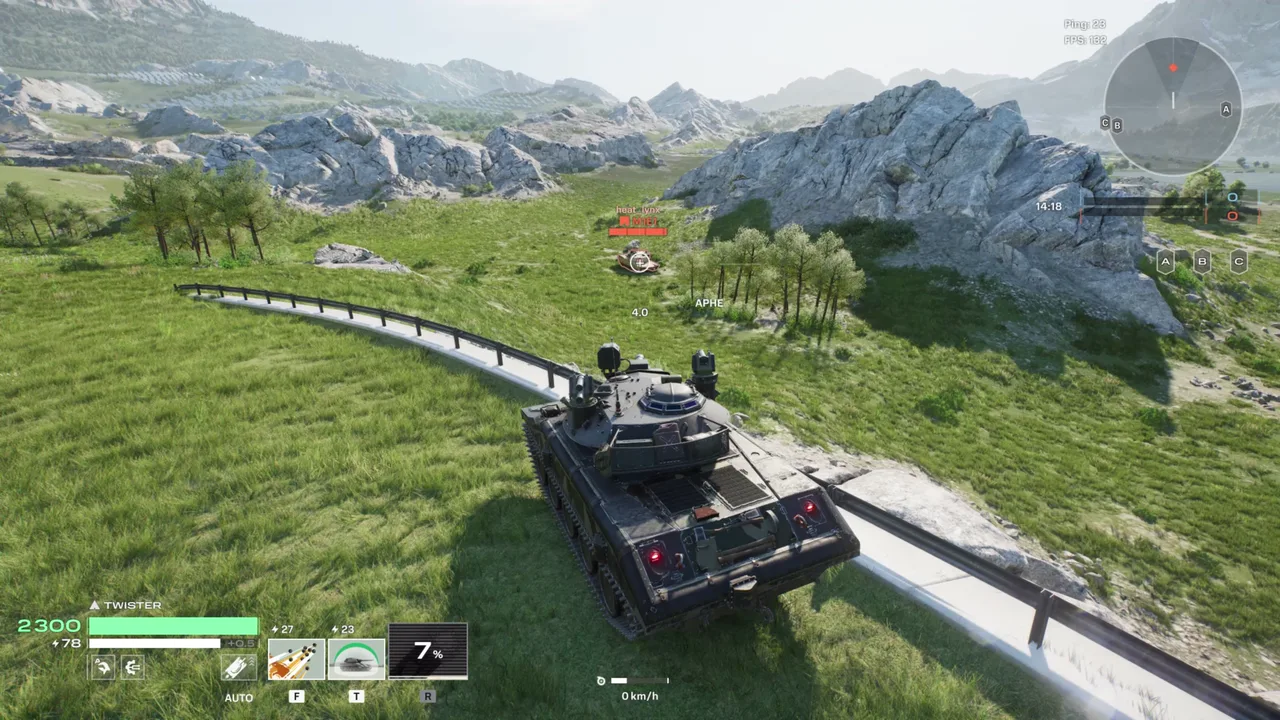
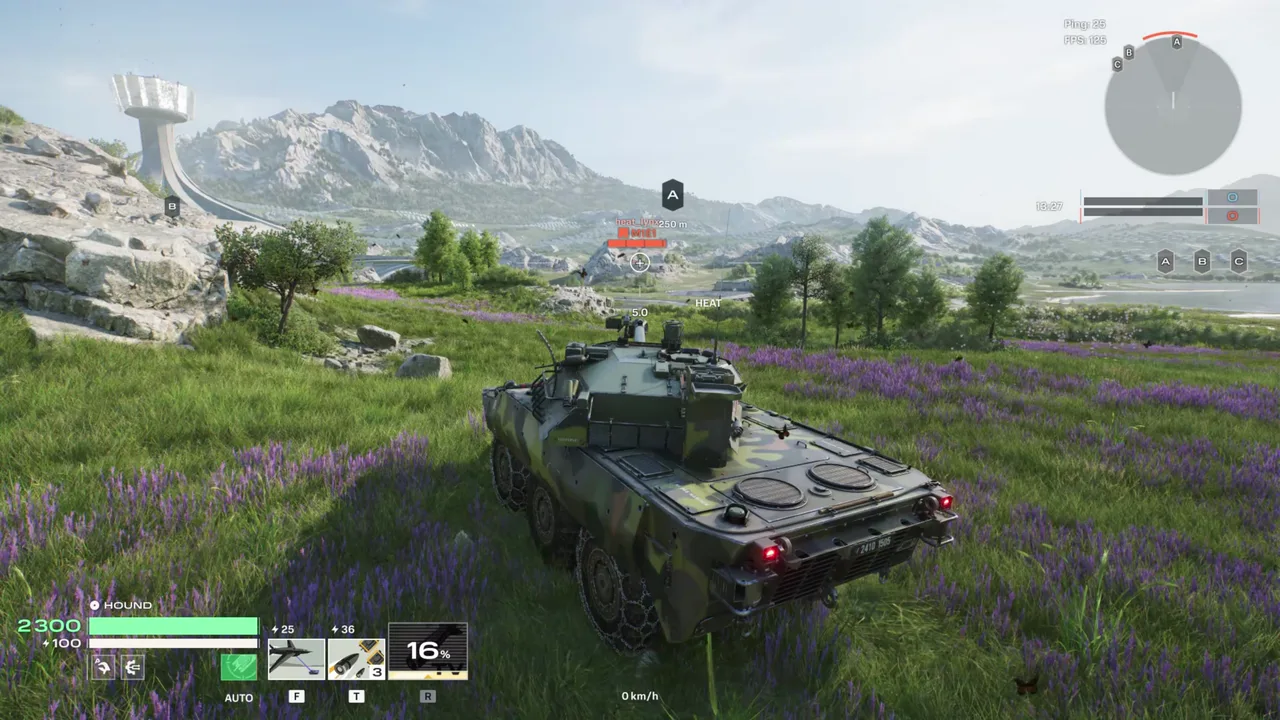
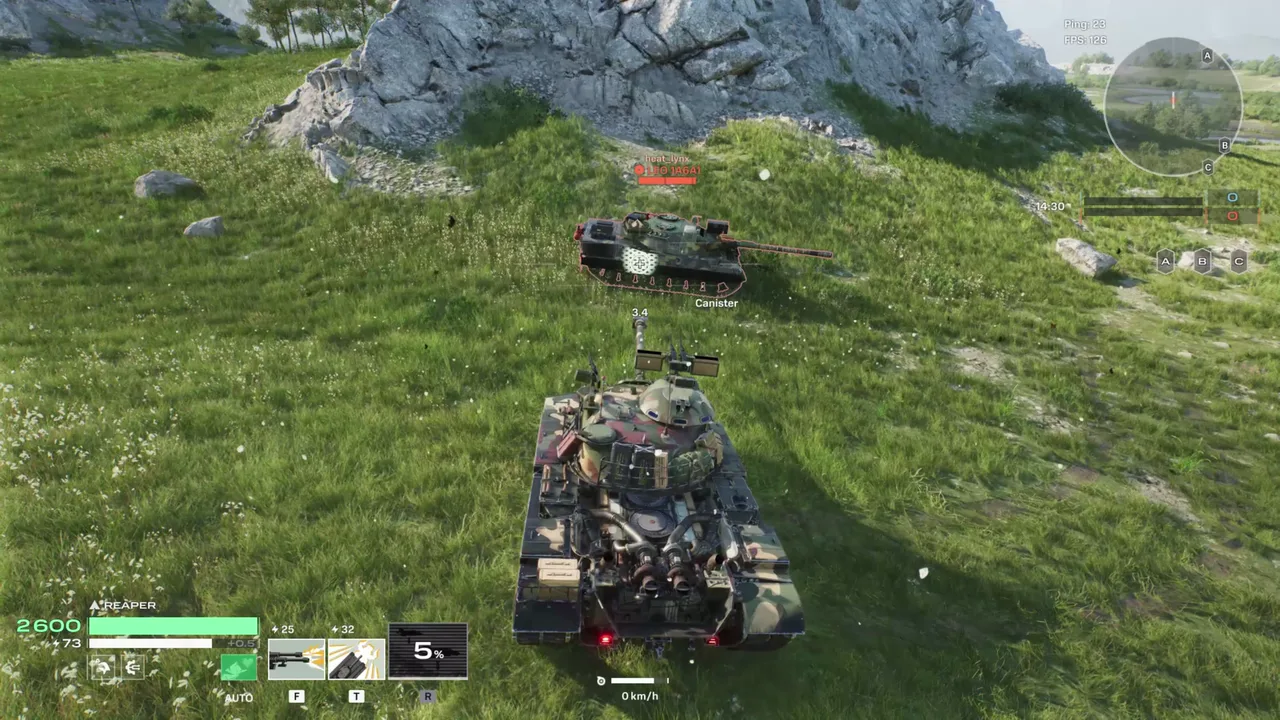
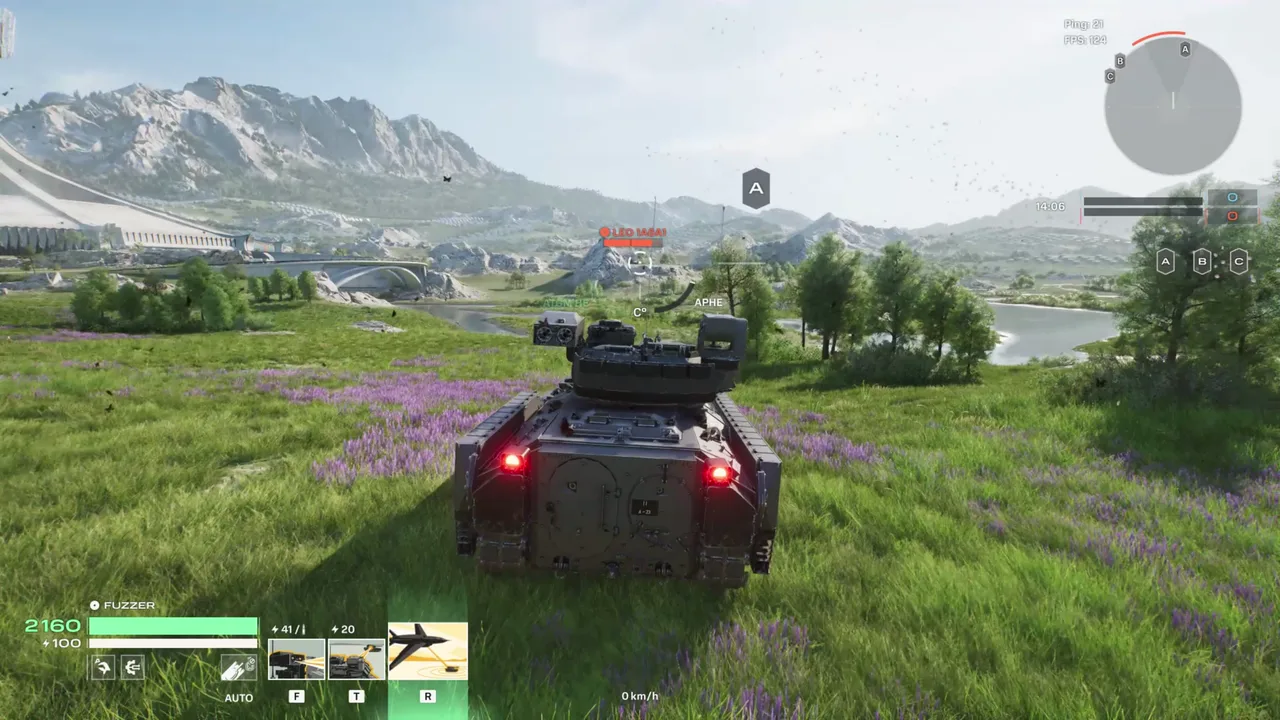
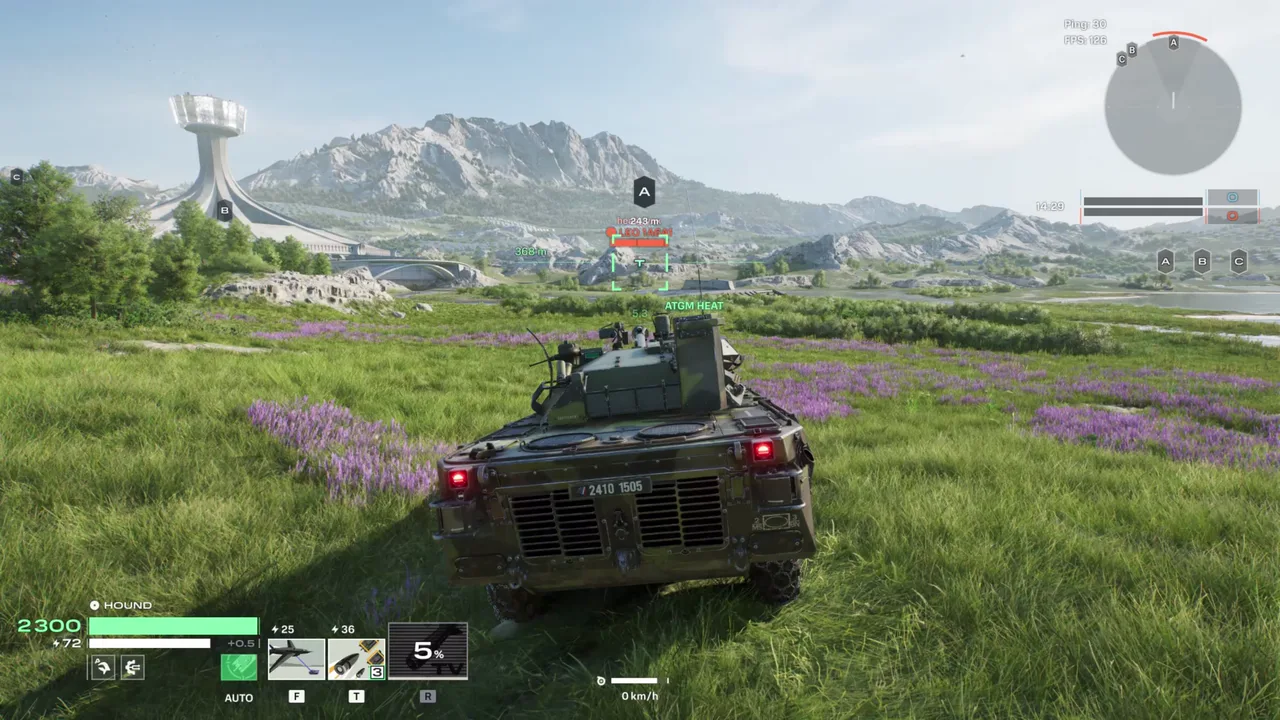
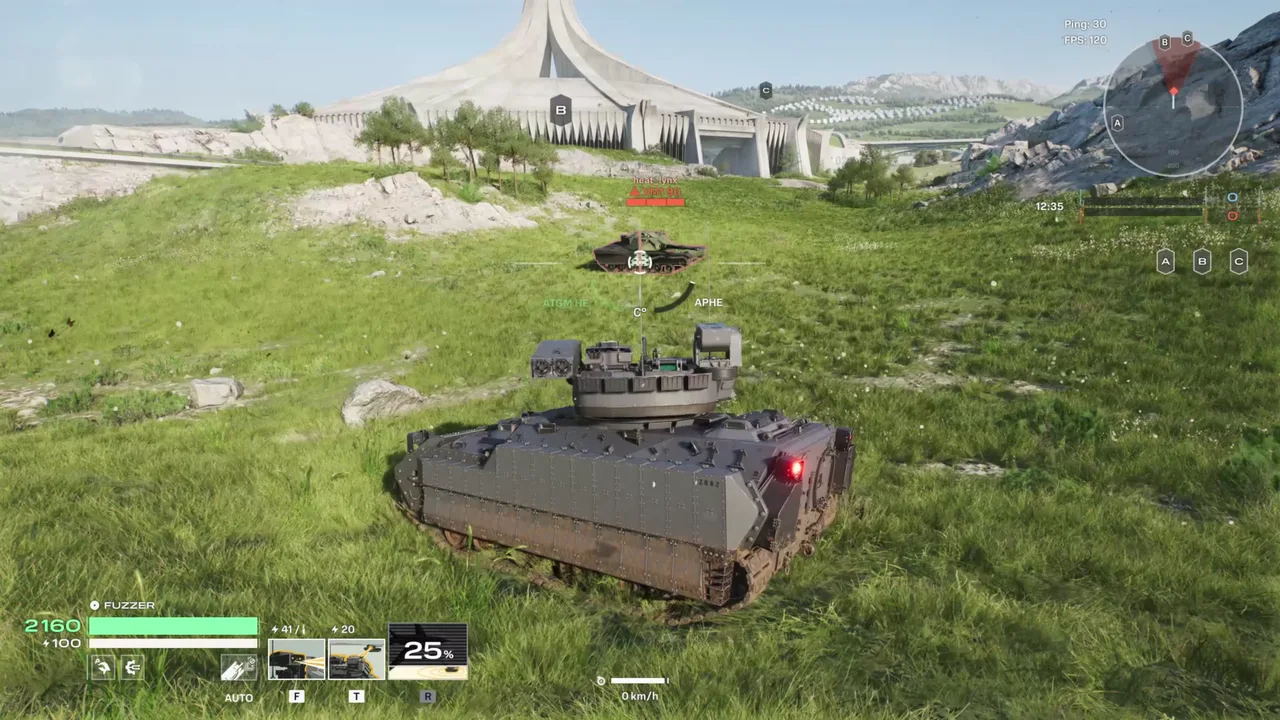
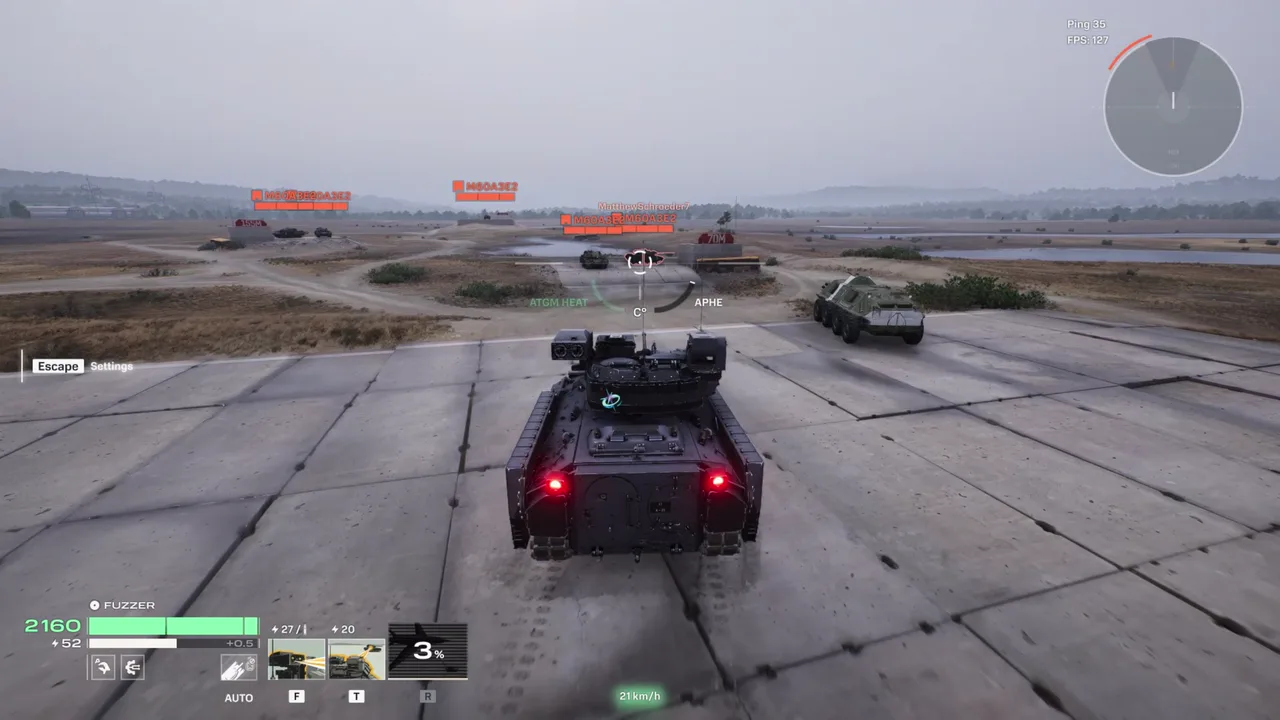
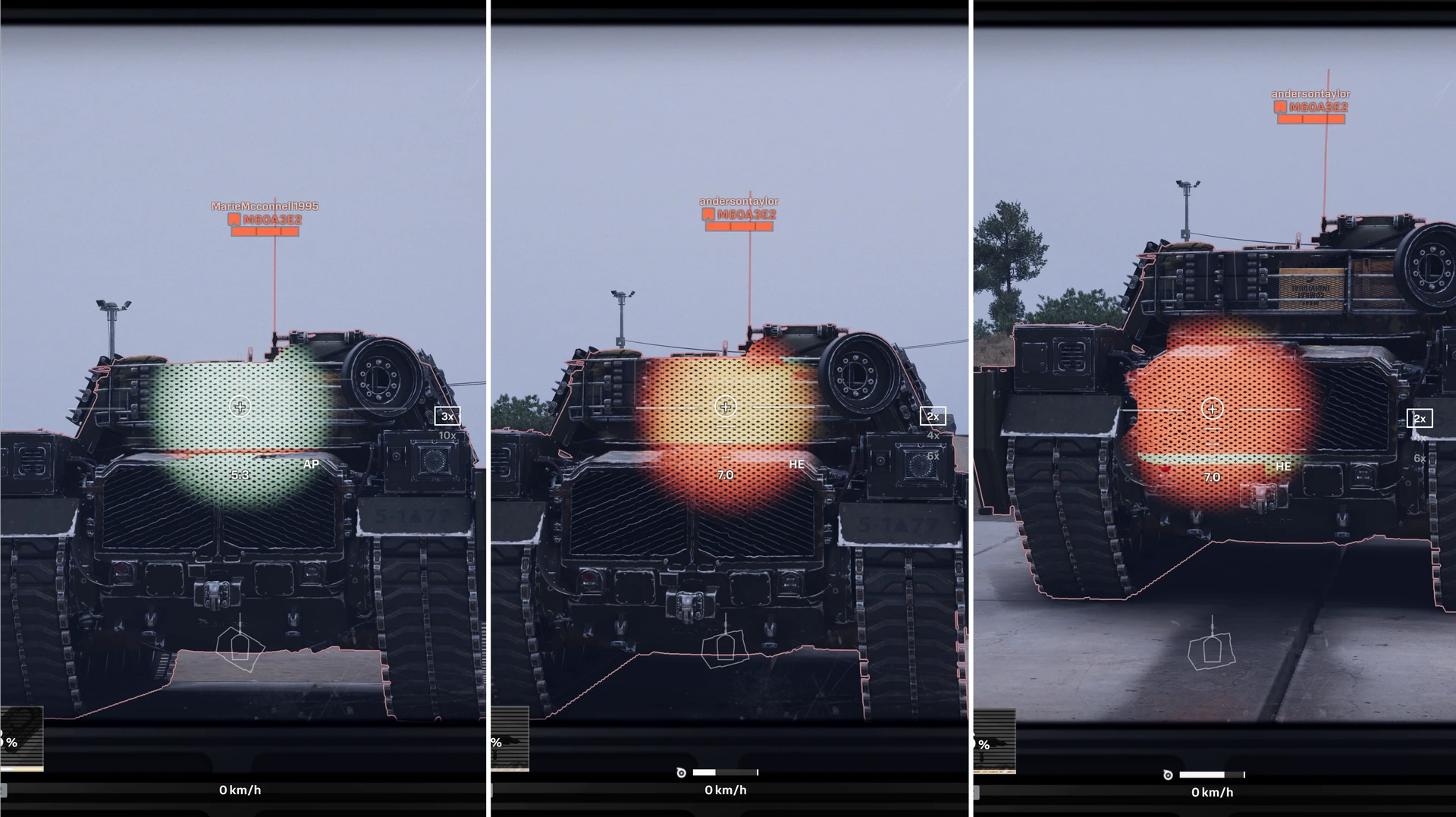
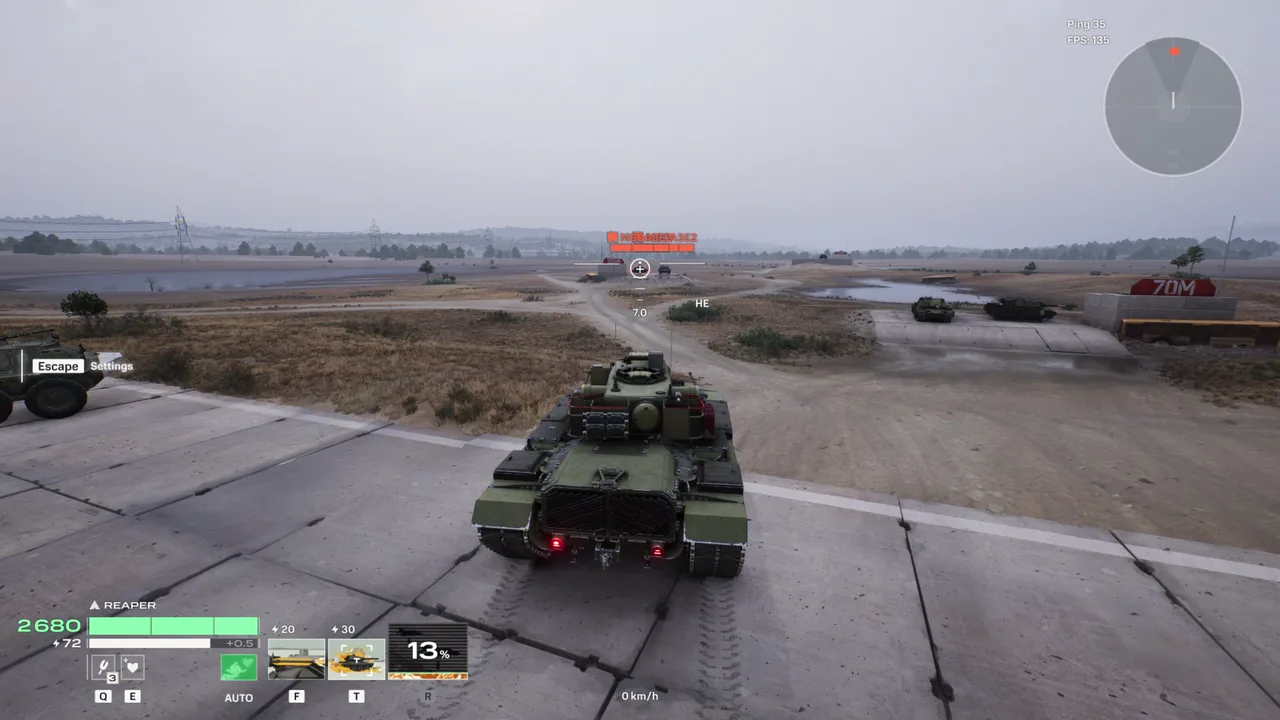
In combat, understanding the shell type used by your vehicle can be just as important as positioning, timing, or target selection. Every tank comes equipped with its own default shell type, and these are part of the vehicle's overall combat role and playstyle.
Different shells perform best depending on their targets and combat situations. Some are intended to penetrate heavy armor directly, others are more effective against lightly armored targets. Certain shells may focus on utility effects, while others are built around maximizing direct damage.
Shell performance is driven by multiple factors, including armor angle, penetration values, distance, alpha damage, and impact location. Because of this, the same shell can behave very differently depending on the target type and battlefield conditions.
Shell types are tied to each vehicle by default and cannot be switched. This differs from classic World of Tanks, where shell swapping is standard. However, on some tanks, equipping certain Firepower modules can change the main gun's shell type. Whether or not these modules are installed is up to the player.
Understanding how shell types function and the situations where they perform best lets you read your tank's strengths, adapt to different engagements, and improve your effectiveness in combat.
This article covers the shell types available in the game, how they work, and the roles they are designed to fulfill.